
indian traditional wedding edius title free download
indian traditional wedding edius title free download

She clicked it because clicking was cheaper than deciding. A panel unfolded, clean and efficient: a line-by-line view of her hits, a list of qualifications she could track, scripts to auto-accept tasks, a timing tool to avoid being rejected for being “too slow.” It promised speed, and speed promised more money—enough for the rent that kept creeping up and the coffee that kept her awake through 2 a.m. batches.
Her community—other Turkers she’d met on forums and chat—had mixed feelings. Some praised the Suite as a leveling tool, one that reduced the advantage of insiders and made it easier for newcomers to find decent work. Others warned it created a monoculture of speed: those who used it skimmed more hits and left fewer for others; those who didn’t use it were priced out. Conversations became debates about fairness, efficiency, and the dignity of labor performed in small pieces. mturk suite firefox
There were ethical gray areas too. A feature that allowed batch acceptance of tasks promised huge efficiency gains, but it made Mara uneasy when she imagined workers mindlessly accepting for speed without reading instructions. She turned that feature off. Another tool suggested scripts to auto-fill fields for certain question types. She tested it cautiously, using it only where answers were truly repetitive and safe—types of multiple-choice HITs where the human judgment was consistent. Still, the temptation to push automation further lurked at the edge of her screen like a low, persistent hum. She clicked it because clicking was cheaper than deciding
One winter evening she logged into a requester’s survey and found a message at the end: “Thanks—your insights helped us fix an accessibility bug.” It passed unnoticed by many, but Mara felt pride spike like a warm ember. The Suite had given her efficiency, and Firefox had kept her workflow sane, but it was her attention that turned microtasks into something resembling craft. The job remained small and fragmented, but not meaningless. Her community—other Turkers she’d met on forums and
The Suite and Firefox together shaped how she experienced the platform. Firefox’s tab management kept projects organized: a tab for the Suite, a tab for requester profiles, another tab for payment trackers. The browser’s private windows became sanctuaries where she’d try new scripts without affecting her main profile. Extensions hummed together, each small tool a cog in the workflow engine she slowly became.
In the end the story wasn’t about tools alone. It was about how people bend tools toward their needs and how platforms push back. Mturk Suite was a mirror and a magnifier: it reflected systemic pressures and intensified them. Firefox was a steady frame for the view. Mara learned not to worship speed or to fear it, but to steer it—balancing automation with care, efficiency with discretion. The toolbar badge stayed at the top-right corner of her browser, unassuming and useful. She never forgot the day she clicked it, but she also never let it click her back.
The popup arrived on a Tuesday morning like a small, polite intruder. It was nothing dramatic—just a blue icon in the browser toolbar, an unobtrusive badge that read “Mturk Suite.” For months Mara had treated Mechanical Turk like a city she commuted through: familiar blocks, predictable storefronts, pockets of good-paying tasks that appeared if you knew where to look. She’d learned the rhythms by habit and a little stubbornness. Mturk Suite—promising batch tools, filters, automation, a map of the city—felt like someone offering her a shortcut.

indian traditional wedding edius title free download
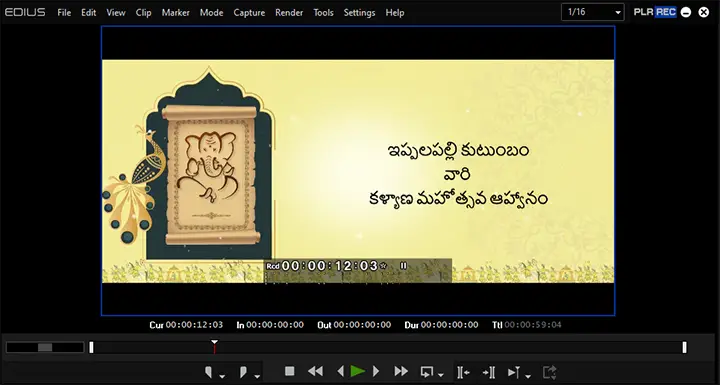
edius South Indian bridal wedding title project
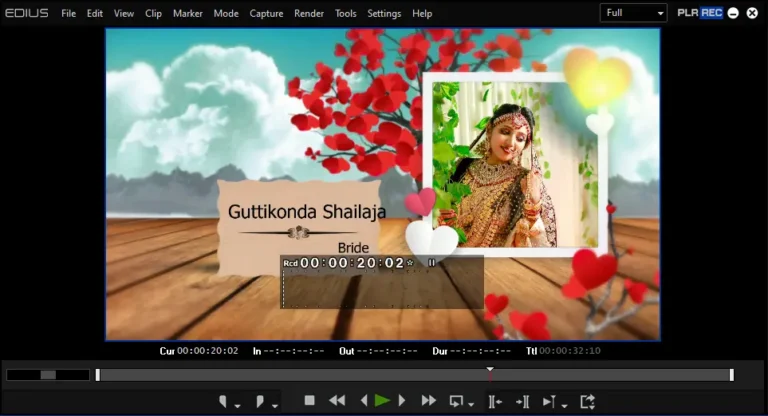
free edius title project
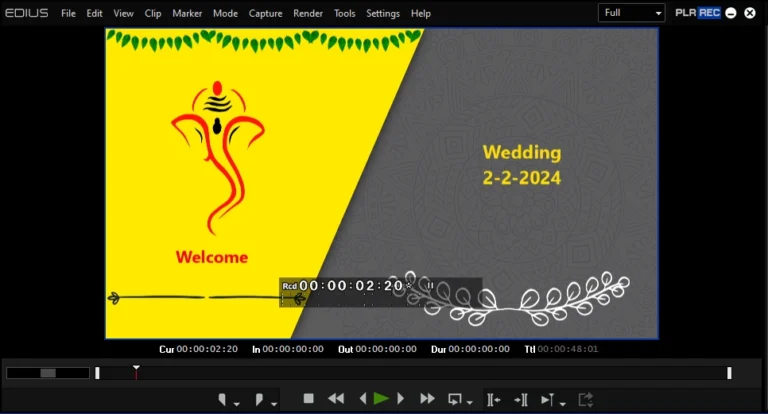
edius text effect edius title free download
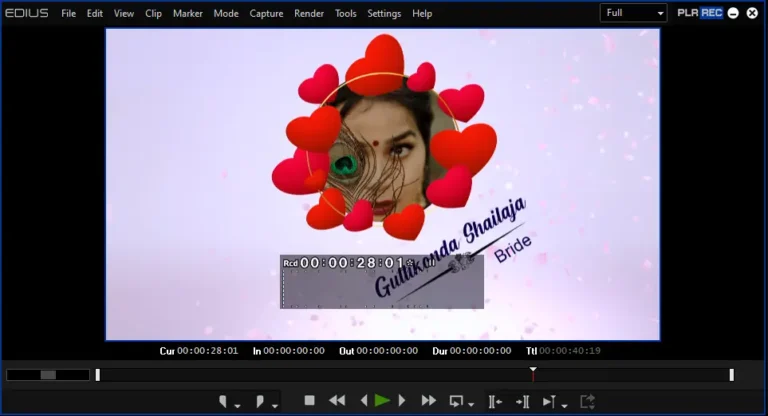
edius Hindi wedding title project download

edius whatsapp invitation project