Juq637mp4 Patched <10000+ RECOMMENDED>

Mara widened the search. The obfuscation had been layered by multiple hands at different times—some hurried, some meticulous. Whoever had done the first pass wanted to bury the core, but someone else had later patched the patch, adding a breadcrumb. In one of the newly recovered frames, a sticky label adhered to the locker door read: “For L—only. Keep until 03/23.” The date was the same day Mara found the file. Coincidence? She traced the label’s remnants to a supplier still in business, a small print shop that left digital fingerprints in its invoices.

That flash changed the work from technical exercise to pursuit. The ribbon matched nothing in public databases, but its weave and dye told Mara it was older than the footage’s timestamp—an heirloom, perhaps, or a prop stolen from a different decade. She cross-referenced the locker’s architecture: a municipal facility, once-unified with the transit archive until a fire scattered paperwork ten years earlier. The locker numbers had been reassigned since. Why archive this? Why hide it in a locker nobody would remember?

In the end, juq637mp4 did what it had always intended: it returned a thing to its people. The contents of the package turned out to be simple—photographs, a single typed letter, and a list of names. Not explosive revelations, but proof: of who was there, and of who had kept faith. The letter, written in a tight, patient hand, explained why the footage had been obfuscated and why it had to wait: the danger then, the need for anonymity, and an oath to not let the story be simplified into triumph or accusation. juq637mp4 patched

Mara’s final patch wasn't about clarity but about stewardship. Restoring juq637mp4 could reopen old wounds or set right an injustice. She could drop the repaired file into a public archive and let the internet do what it does—turn artifacts into conjecture, fragments into narratives told and retold. Or she could reach out, quietly, to the people in its orbit: Lillian’s old collaborators, the print shop owner, the librarian who had preserved the zines. She chose the smaller, harder path.

And somewhere in the archive, the original, corrupted file sits beside the repaired versions, as if both lives should exist: one to remember how fragile proof can be, the other to remind us that some secrets choose their own moment to be seen. Mara widened the search

They found the file by accident: a stray directory in an old backup labeled juq637mp4. At first glance it was just another corrupted media blob—an orphaned name, random extension, and a timestamp from a year that smelled like used coffee and late-night commits. But when Mara opened it, the monitor blinked awake in a way that made the quiet room feel conspicuously watched.

She called in favors: an archivist who owed her, a coder who answered at odd hours, and a librarian with keys to records that didn't exist online. Together they tracked a paper trail that led to a defunct community center on the riverfront—an inconspicuous place that once hosted everything from sewing circles to clandestine readings. The center’s roster had an entry: Lillian Hart, alias L., a poet and the leader of a local collective that folded in 2014 after a disagreement that no one wanted to talk about. Hart had been an enigma even then: work published under different names, a string of absences, and a photograph with the same faded blue ribbon pinned to a lapel. In one of the newly recovered frames, a

Mara archived two versions: a pristine copy locked with access, and a redacted public file that preserved the outline without exposing identities. She wrote metadata notes, dated patches, and logged the sequence of algorithmic steps that had brought the frames back. The files went to trusted custodians—people who understood that some archives are less about display and more about responsibility.

Download free printable Arabic alphabet flash cards

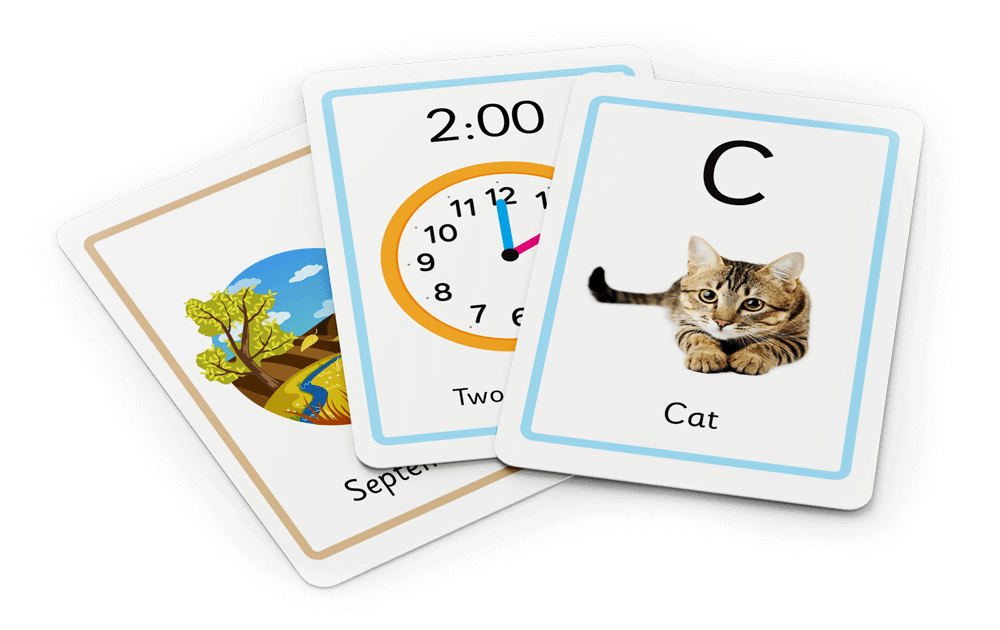
Designed specifically for young children, a great way to introduce the Arabic alphabet. Take a look at our flashcard video to accompany these flashcards and how to pronounce the letters.

These flashcards are completely FREE for personal, educational and non-commercial use.

juq637mp4 patched

Printing hints

  • For best results turn off any ‘page scaling’ or ‘fit to page’ options in your print settings
  • Make the flashcards last longer by printing and laminating them before cutting
  • There’s a handy pouch template included in each download which will keep the flashcards nice and tidy.

Mara widened the search. The obfuscation had been layered by multiple hands at different times—some hurried, some meticulous. Whoever had done the first pass wanted to bury the core, but someone else had later patched the patch, adding a breadcrumb. In one of the newly recovered frames, a sticky label adhered to the locker door read: “For L—only. Keep until 03/23.” The date was the same day Mara found the file. Coincidence? She traced the label’s remnants to a supplier still in business, a small print shop that left digital fingerprints in its invoices.

That flash changed the work from technical exercise to pursuit. The ribbon matched nothing in public databases, but its weave and dye told Mara it was older than the footage’s timestamp—an heirloom, perhaps, or a prop stolen from a different decade. She cross-referenced the locker’s architecture: a municipal facility, once-unified with the transit archive until a fire scattered paperwork ten years earlier. The locker numbers had been reassigned since. Why archive this? Why hide it in a locker nobody would remember?

In the end, juq637mp4 did what it had always intended: it returned a thing to its people. The contents of the package turned out to be simple—photographs, a single typed letter, and a list of names. Not explosive revelations, but proof: of who was there, and of who had kept faith. The letter, written in a tight, patient hand, explained why the footage had been obfuscated and why it had to wait: the danger then, the need for anonymity, and an oath to not let the story be simplified into triumph or accusation.

Mara’s final patch wasn't about clarity but about stewardship. Restoring juq637mp4 could reopen old wounds or set right an injustice. She could drop the repaired file into a public archive and let the internet do what it does—turn artifacts into conjecture, fragments into narratives told and retold. Or she could reach out, quietly, to the people in its orbit: Lillian’s old collaborators, the print shop owner, the librarian who had preserved the zines. She chose the smaller, harder path.

And somewhere in the archive, the original, corrupted file sits beside the repaired versions, as if both lives should exist: one to remember how fragile proof can be, the other to remind us that some secrets choose their own moment to be seen.

They found the file by accident: a stray directory in an old backup labeled juq637mp4. At first glance it was just another corrupted media blob—an orphaned name, random extension, and a timestamp from a year that smelled like used coffee and late-night commits. But when Mara opened it, the monitor blinked awake in a way that made the quiet room feel conspicuously watched.

She called in favors: an archivist who owed her, a coder who answered at odd hours, and a librarian with keys to records that didn't exist online. Together they tracked a paper trail that led to a defunct community center on the riverfront—an inconspicuous place that once hosted everything from sewing circles to clandestine readings. The center’s roster had an entry: Lillian Hart, alias L., a poet and the leader of a local collective that folded in 2014 after a disagreement that no one wanted to talk about. Hart had been an enigma even then: work published under different names, a string of absences, and a photograph with the same faded blue ribbon pinned to a lapel.

Mara archived two versions: a pristine copy locked with access, and a redacted public file that preserved the outline without exposing identities. She wrote metadata notes, dated patches, and logged the sequence of algorithmic steps that had brought the frames back. The files went to trusted custodians—people who understood that some archives are less about display and more about responsibility.

Arabic Alphabet flashcard video

Visit our YouTube channel for more videos.

Download more free printable flashcards

Alphabet flashcards

Alphabet flashcards

Number flashcards

Number flashcards

Shape flashcards

Shape flashcards

Colour flashcards

Colour flashcards

Tell the Time flashcards

Time flashcards

UK money flashcards

UK money flashcards

US money flashcards

US money flashcards

Arabic Alphabet flashcards

Arabic alphabet flashcards

Free flashcards